Hedgehog · Waitlist
The product did not exist yet. The first impression still had to convert.
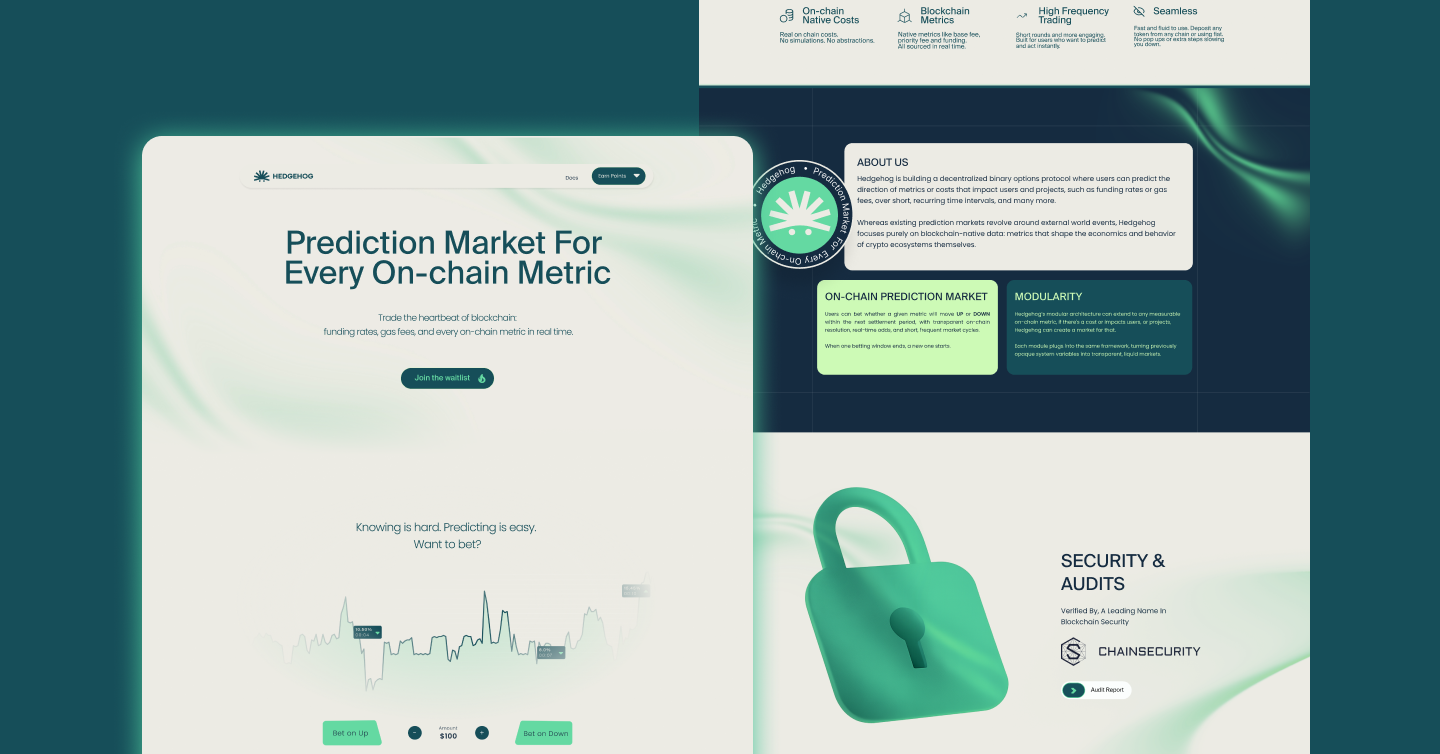
I designed a pre-launch page for an institutional Web3 audience that does not sign up on hype.
Overview
Credibility was the product, until the product existed.
Hedgehog needed a qualified waitlist before launch. Without a page that earned trust quickly, there was no way to test demand.
The audience was institutional and professional. These people evaluate B2B and Web3 products before they leave a contact.
Problem
Hype does not convert this audience. Clarity does.
A long story before the call to action would have felt like a pitch. This audience wanted proof of solidity: what the product is, why it is serious, and what happens if they join.
Opportunity
Convert from the first scroll, without pretending the product was finished.
References came from stakeholders and from my own shortlist: Sonic Labs, Hyperliquid, and Aave. The shared pattern was direct conversion, not a long narrative before the ask.
The tone was institutional from day one, written with marketing and the founders for the audience the company already had.
Solution
Understand, trust, then act.
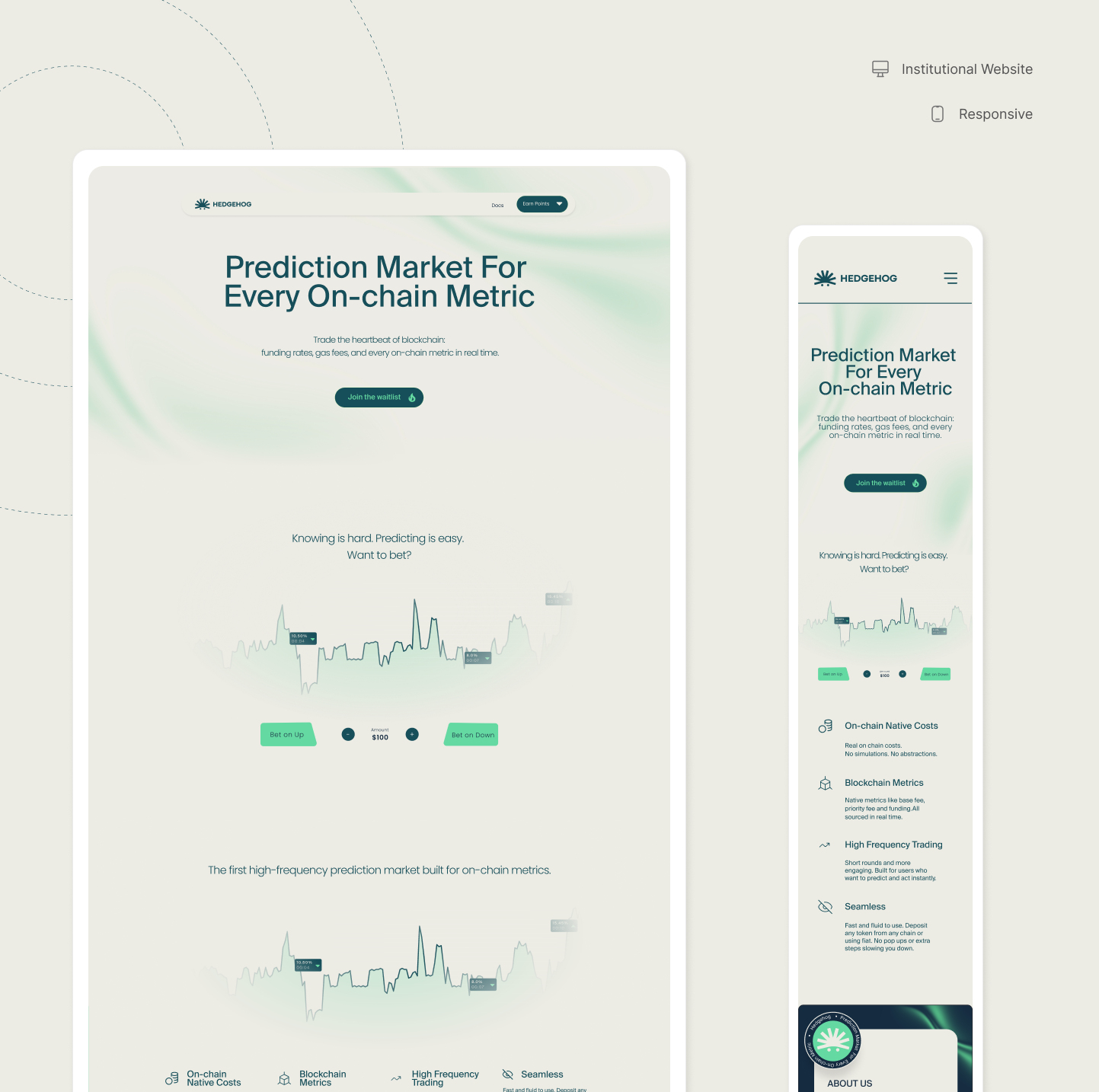
The page is three layers. Copy was built with marketing and the founders so the message matched the audience, instead of inventing a new one.
Core experience
Each layer has one job.
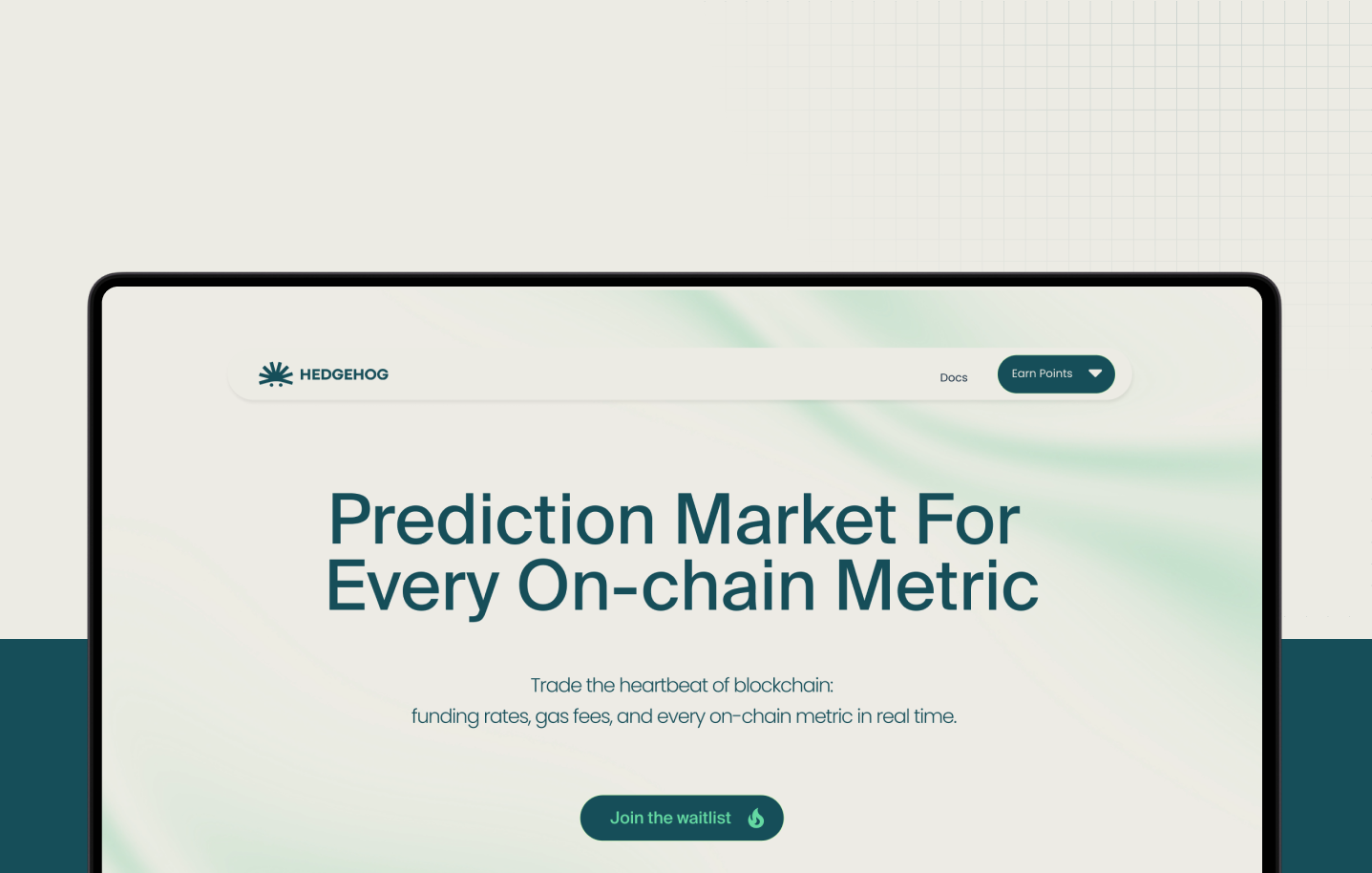
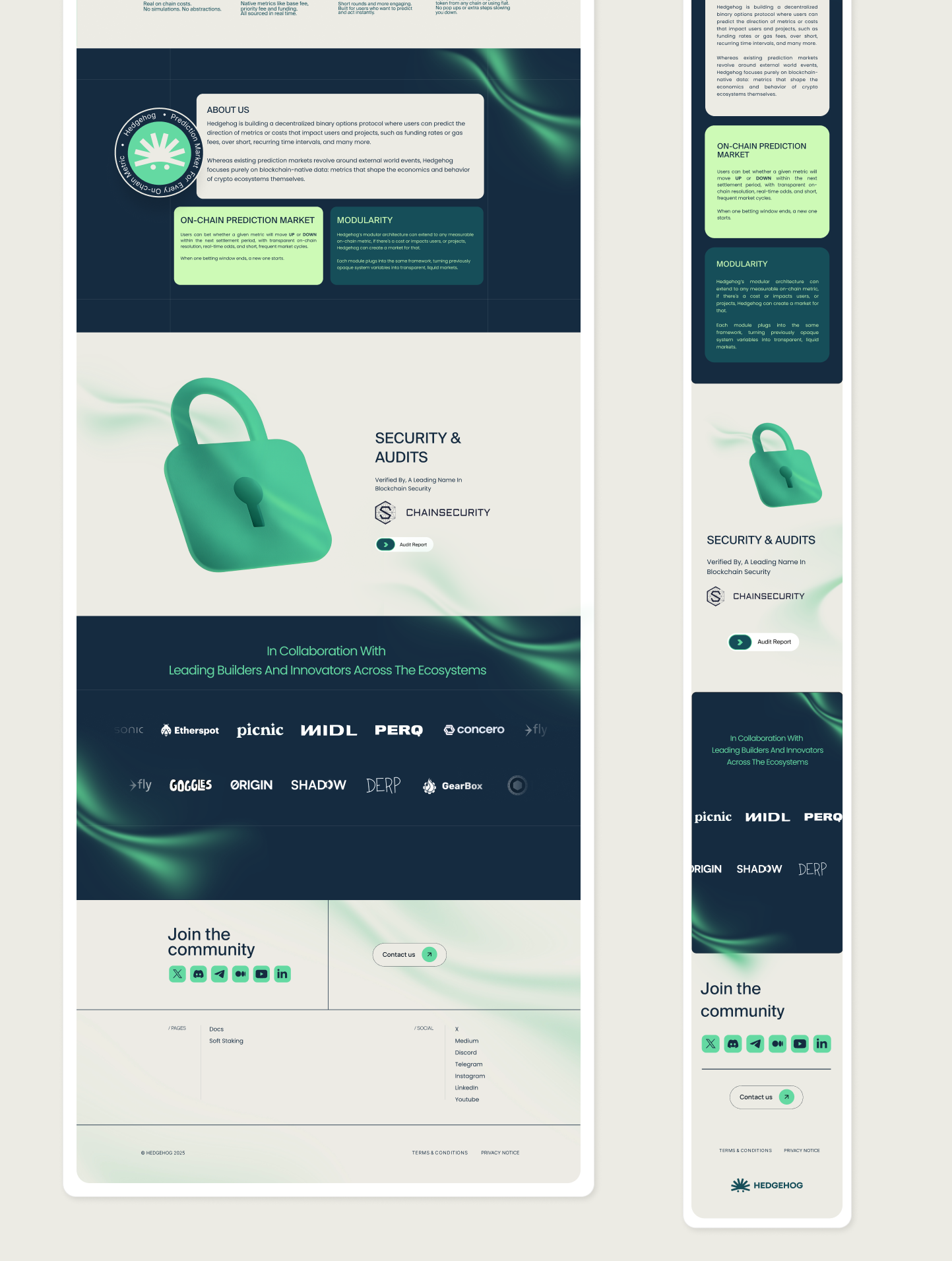
Hero: the value and the action.
Institutional tone, no hype, and no premature product mock. The visual signals seriousness without overpromising a product that was not public yet.
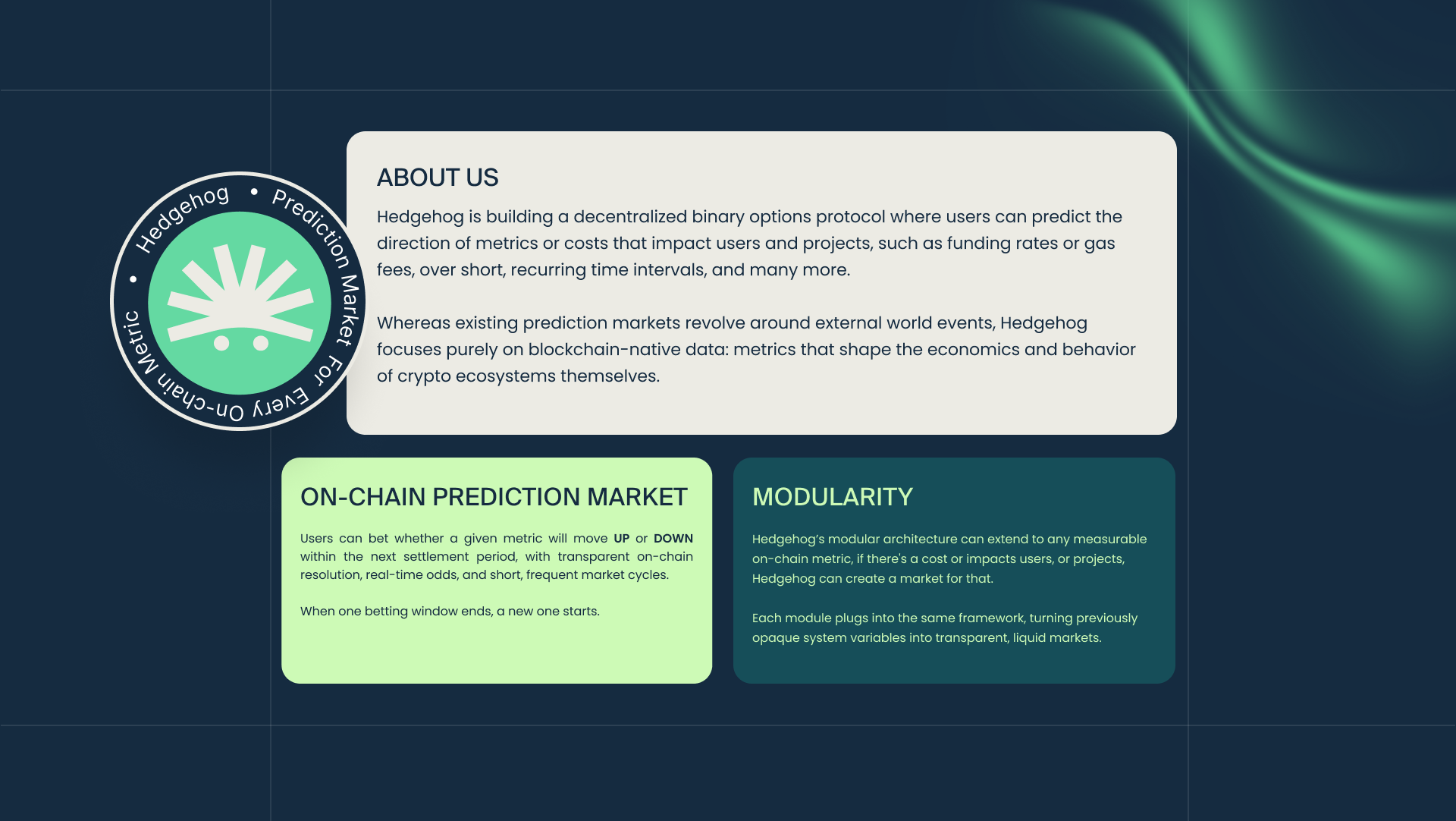
Trust: the questions they ask before a signup.
Problem framing in their language, on-chain differentiation, and sections on reliability and governance.
Action, more than once.
Calls to action repeat, and the microcopy moves from awareness to intent. A secondary action in the footer closes the page at the deepest scroll.
Insights
The page was only half of the acquisition.
In parallel, the team ran a community engine: X and Telegram for organic traffic, games and trivia on Discord, and a USDC mission system where completed tasks earned USDC. Active people brought more people.
I designed the page. The community loops were a parallel effort with the team. The conversion only makes sense if you hold both.
Decisions
Restraint was the strategy.
No product screens before the product.
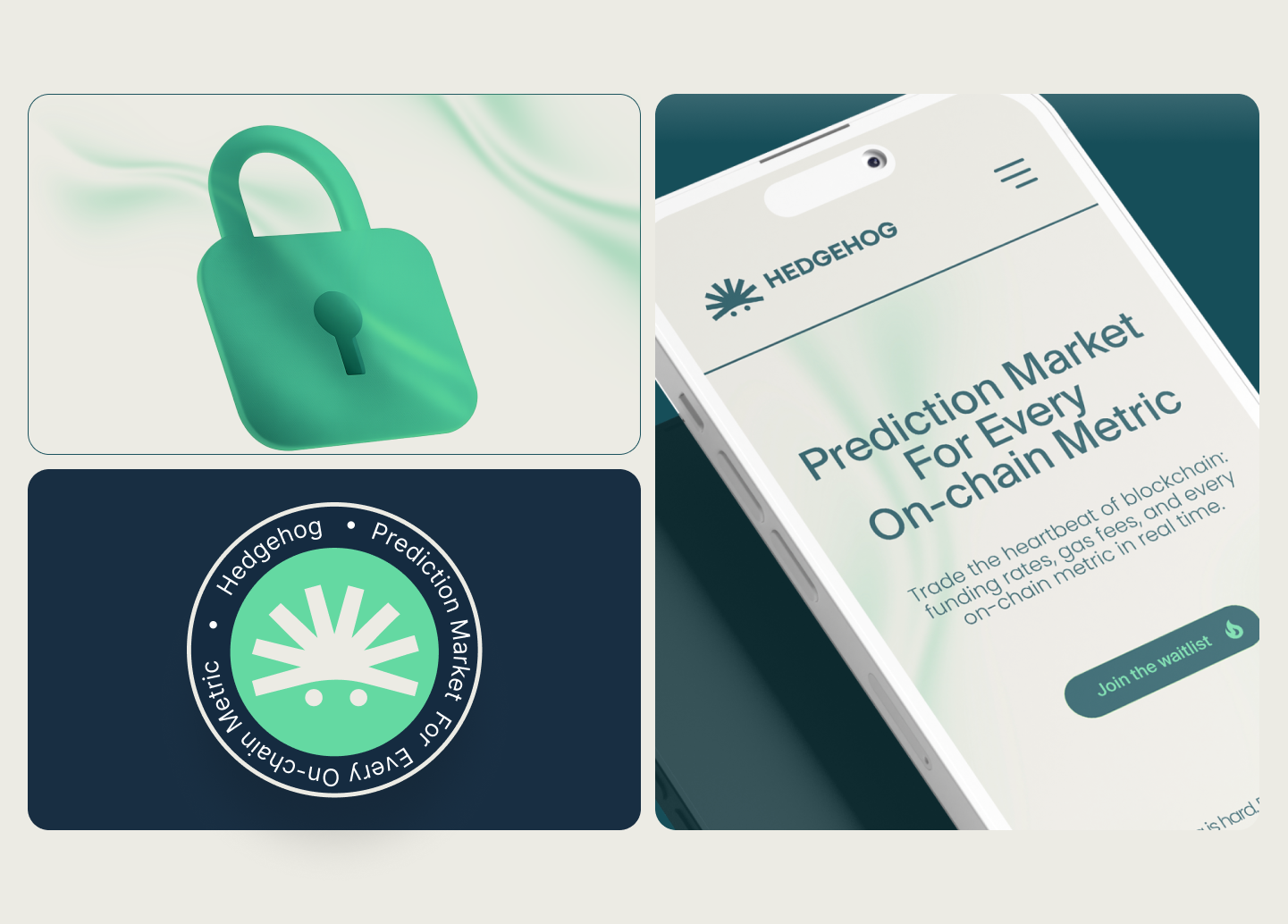
Showing a finished interface would have overpromised. Concept visuals kept the page serious without inventing a product that was not ready.
Tone decided up front.
The institutional voice was not discovered in iteration. It was set with marketing and the founders before the page went wide, which cut the risk of missing the audience.
Ask early, then earn the next ask.
A single call to action at the bottom would have wasted the people who were ready immediately. Repeating it only worked because each return had new proof behind it.
Results
Validated in production, not in a pretest.
There was no formal usability test or A/B before launch. Alignment on tone happened internally. The real read came from conversion behavior.
The same audience later entered the product beta. Headline and call-to-action tests were not run before launch. That is the obvious next experiment, not a result I can claim.
Reflection
In this context, conversion comes after trust.
Restraint on the page, next to a live community, is what made 37.5% possible without paid spend. A louder page would have asked for trust it had not earned.